Why Septic Services Should Be Part of Every Home Maintenance Plan


A septic system is easy to ignore when it is doing its job. There is no furnace filter to swap every month, no visible shingles curling on the roof, no obvious drip under the sink. For many homeowners, that quiet reliability creates a false sense of security. The system disappears underground, and with it goes any sense of urgency about maintenance.
That mindset usually lasts until the first backup, foul odor, soggy patch in the yard, or emergency service call on a holiday weekend.
Home maintenance plans tend to focus on what people can see and touch. Gutters get cleaned. HVAC units get serviced. Water heaters are flushed. Yet in homes that rely on onsite wastewater treatment, septic services belong in the same category as electrical inspections and plumbing upkeep. They protect the structure, the land around it, the health of the people living there, and the household budget.
Anyone who has spent time around septic failures knows the pattern. Problems rarely arrive out of nowhere. They build quietly through neglect, overuse, poor habits, deferred pumping, root intrusion, baffle damage, or drain field stress. By the time the symptoms become obvious, the repair is often larger, dirtier, and more expensive than it needed to be.
The hidden system that supports daily life
A septic system handles one of the most basic functions in a home, wastewater disposal. Every shower, toilet flush, laundry cycle, and sink drain contributes to its workload. Unlike municipal sewer users, homeowners with septic systems are responsible for the entire chain of treatment on their own property.
That responsibility is not abstract. A standard system has a septic tank, where solids settle and scum floats, and a drain field, where clarified effluent disperses into the soil for further treatment. Some properties also have pumps, alarms, filters, or advanced treatment components. Each part has limits. Each part benefits from periodic attention.
A good maintenance plan recognizes that septic systems age like other mechanical and structural assets. Tanks can crack. Tees and baffles can deteriorate. Effluent filters can clog. Drain fields can become overloaded from excess water or compacted by vehicles. Tree roots can intrude into lines. None of this is unusual. What matters is whether the homeowner identifies issues early enough to keep them manageable.
Septic services provide that checkpoint. A routine visit is not just about pumping out sludge. It is also a chance to inspect components, evaluate system performance, and spot developing trouble before the yard turns into an excavation project.
Small routine costs prevent large disruptive ones
The strongest argument for including septic services in a maintenance plan is economic. Regular pumping and inspection cost money, but they are predictable costs. Emergency excavation, tank replacement, line repair, drain field restoration, interior cleanup, and temporary relocation are not.
The difference can be stark. In many areas, a routine pump-out may cost a few hundred dollars, depending on tank size, access, and local rates. A significant repair can run into the thousands. A failed drain field can climb far beyond that, especially if the site is difficult to access, permitting is required, landscaping has to be restored, or advanced treatment is needed due to soil or setback limitations.
What homeowners often miss is the indirect cost. Septic failures can interrupt normal life in ways that other maintenance issues do not. You can live with a noisy garage door for a while. You cannot comfortably live with sewage backing up into a shower drain, surfacing in the yard, or making toilets unusable.
I have seen households spend years postponing a pump-out because the system seemed fine, only to face a weekend emergency when visiting relatives doubled the water use. A tank that might have been maintained for a modest fee turned into an urgent callout, interior sanitation work, and a damaged section of lawn. The repair itself hurt. The disruption hurt more.
Septic issues often start with habits, not hardware
One reason septic services are so valuable is that they catch the cumulative effects of everyday living. Many system problems do not begin with a broken tank. They begin with normal routines that exceed what the system can comfortably handle.
Laundry is a common example. A household that runs six or seven back-to-back loads on a Saturday can flood the system with water faster than it can process it. Another common issue is the steady use of products that should never enter the tank, such as grease, wipes, paper towels, cat litter, dental floss, or strong chemical cleaners in excessive amounts. Even products advertised as flushable can create trouble. Septic professionals see the results constantly.
Then there is simple occupancy change. A two-bedroom house that once held a retired couple may now be occupied by a family of five, with more showers, more toilet flushes, more dishes, and more laundry. The system has not changed, but the demand on it has.
A homeowner may not connect these lifestyle factors to septic performance. A good service technician usually will. That practical, site-specific advice is one of the most underrated parts of routine service. The best visits combine maintenance with education, helping owners adjust water use and disposal habits before they cause damage.
What regular septic services actually accomplish
Some people picture septic service as a single job with a single outcome, emptying the tank. In practice, proper septic services can do much more. They create a working record of the system and help homeowners understand how the system behaves over time.
During a routine service visit, a professional may check sludge and scum levels, inspect accessible inlet and outlet components, evaluate effluent filters, look for signs of leakage or backflow, note unusual odors, and ask about household symptoms such as slow drains or gurgling fixtures. In systems with pumps or alarms, function checks may also be part of the visit.
That kind of monitoring matters because septic systems do not fail the same way. One property may struggle with roots. Another may have a high water table. Another may be dealing with years of grease accumulation. A newer tank with neglected filters can have different problems than an older concrete tank with deteriorating internals. There is no universal rule beyond this: systems last longer when someone knowledgeable looks at them before a crisis forces the issue.
Pumping on schedule is not guesswork
Homeowners often ask how often a tank should be pumped. The honest answer is that it depends. Tank size, household size, garbage disposal use, laundry volume, and general habits all matter. A common range is every three to five years for many households, but some homes need more frequent service, while others can safely go longer with proper inspection data.
The useful point is not the exact number. It is the principle that pumping should be scheduled based on the system’s actual load, not postponed until there is a symptom.
A family with teenagers, frequent guests, and a garbage disposal may fill a tank much faster than a single occupant who travels often. Likewise, a vacation property may have long periods of low use punctuated by heavy holiday occupancy. That pattern can be deceptive. Owners assume the annual average is low, but peak use still stresses the system.
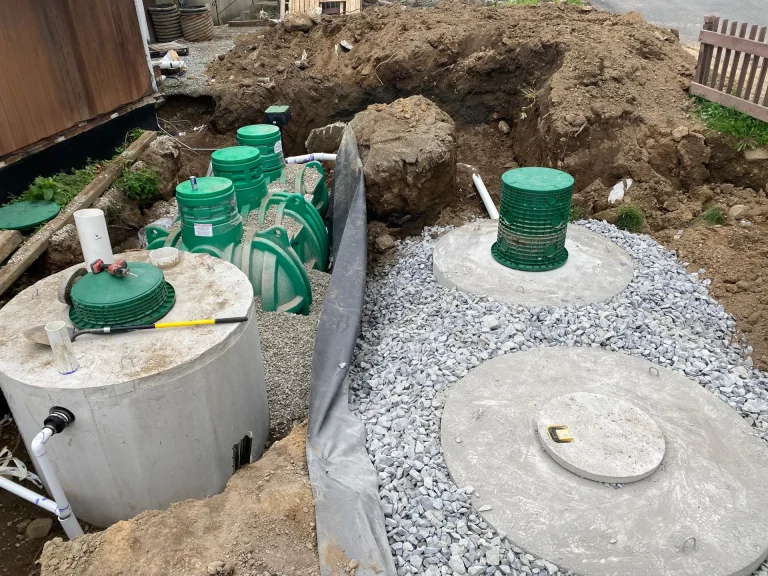
This is where septic services become part of a maintenance plan rather than a one-off expense. Once the tank has been inspected and serviced, the homeowner has a baseline. From there, the schedule can be adjusted using real observation instead of wishful thinking.
Warning signs deserve attention, even when they seem minor
Septic problems rarely announce themselves politely, but when early signs appear, they should not be dismissed. A toilet that drains sluggishly may not just be a clog. A persistent odor near the tank or drain field is not normal. Wet areas in the yard during dry weather deserve investigation. So does a plumbing system that gurgles after heavy water use.
Some symptoms can overlap with ordinary plumbing issues, which is why homeowners sometimes misread them. A kitchen line may snake clear, yet backups continue because the underlying problem is downstream in the septic system. It is not uncommon for people to spend money chasing the wrong fix because they treat each symptom in isolation.
The practical signs that should trigger a call include:
- Slow drains in multiple fixtures
- Sewage odors indoors or near the yard
- Pooling water or spongy soil above the drain field
- Backups after laundry or long showers
- An alarm sounding on a pump-equipped system
Those signals do not all mean catastrophic failure. Sometimes the fix is straightforward. A filter may need cleaning. The tank may simply be overdue for pumping. A distribution issue may be caught before it escalates. The value lies in responding early, when options are wider and costs are lower.
Septic maintenance protects more than the plumbing
A neglected septic system does not only threaten bathrooms and drains. It can affect groundwater quality, nearby wells, surface runoff, and the general sanitation of the property. For rural homeowners, this matters even more because the septic system and the private water supply often exist on the same parcel.
When a system is functioning properly, wastewater receives treatment through settling in the tank and filtration through the soil. When it fails, untreated or partially treated effluent can move where it should not. That is not just unpleasant. It can be a genuine health issue.
This is one reason many local health departments and environmental agencies emphasize proper system maintenance. The goal is not bureaucracy for its own sake. It is risk reduction. What happens underground eventually affects the people living above it.
There is also a property value angle that gets overlooked until sale time. Buyers are increasingly cautious about wastewater systems, especially in rural or semi-rural markets. A documented history of septic services, pumping, inspections, and repairs is reassuring. A vague answer like “it has always worked fine” is not. If there is no maintenance record and the system shows signs of age, negotiations can become tense very quickly.
Drain fields fail quietly, then expensively
If the septic tank is the part homeowners occasionally think about, the drain field is the part they almost never do. That is understandable, since it is buried and passive. But the drain field is where the most expensive consequences tend to emerge.
A drain field can be damaged by chronic hydraulic overload, compacted by vehicles or heavy equipment, invaded by roots, or compromised by solids leaving the tank due to poor maintenance. Once soil pores clog and treatment capacity drops, wastewater has nowhere to go at the rate the house produces it.
At that point, pumping the tank may provide only temporary relief. The underlying absorption problem remains. That is why regular septic services matter so much. Keeping solids out of the drain field is one of the best ways to preserve its life. It is much cheaper to maintain a tank than to rebuild a field.
Homeowners also damage drain fields through perfectly ordinary landscaping choices. A new parking area, a shed, aggressive irrigation, or deep-rooted plantings can create long-term problems. Service visits are a good time to ask whether planned changes to the yard could interfere with the system. That advice can save a lot of regret.
A home maintenance plan should include a septic record
Most organized homeowners keep a folder for appliance manuals, roof invoices, paint colors, and HVAC work. Septic information deserves the same treatment. Even basic records make future maintenance easier and improve decision-making.
A useful septic record should include:
- Tank size and system type, if known
- Dates of pumping, inspection, and repairs
- A sketch or map showing tank and drain field location
- Notes on filters, pumps, alarms, or unusual site conditions
- Any recommendations from prior service providers
This kind of documentation is especially valuable when ownership changes, when an addition is planned, or when a new contractor needs context. It also prevents a common and costly mistake, accidentally driving over or digging into system components because no one knows exactly where they are.
In practice, many emergency calls begin with uncertainty. The owner is not sure where the tank is, when it was last pumped, whether there is a filter, or what type of field is installed. That lack of information slows diagnosis and often increases labor.
Older systems need a different level of judgment
Not every home has a modern system with accessible risers, clear records, and ideal soil conditions. Older properties often require more judgment. A tank may have been installed decades ago under standards that no longer apply. Access may be difficult. The property may have changed over time, with additions, patios, trees, or grading changes affecting performance.
In those situations, septic services are not just routine, they are strategic. The goal is to understand what still works, what is vulnerable, and what can be done to extend service life responsibly. Sometimes that means more frequent monitoring. Sometimes it means budgeting for eventual upgrades instead of waiting for outright failure.
There is also a tendency to assume that if an old system has lasted this long, it can be left alone. Experience suggests the opposite. Aging components are precisely why consistent service becomes more important. Cracks, corrosion, settlement, and shifting usage patterns all add up.
A measured approach https://rafaelepba233.theburnward.com/septic-services-for-properties-with-aging-systems is usually best. Not every older system needs immediate replacement. But every older system benefits from informed oversight.
Choosing the right provider matters
Septic work is one of those trades where competence shows up in the details. A reliable provider does more than arrive with a pump truck. They explain what they found, answer practical questions, and treat the property carefully. They do not use fear as a sales tactic, but they also do not minimize real concerns.
Homeowners should look for providers with appropriate licensing where required, local experience, and a willingness to discuss the actual condition of the system. A brief conversation can reveal a lot. Someone who asks about occupancy, prior pumping history, system location, and observed symptoms is usually thinking diagnostically. Someone who offers a one-size-fits-all answer to every property usually is not.
It is also wise to ask what is included in routine service. In some areas, “pump and go” is common. In others, inspection of accessible components is standard. Knowing the difference helps homeowners compare value, not just price.
Why this belongs on the calendar, not the crisis list
The broad lesson is simple. Septic systems are not set-and-forget infrastructure. They are working systems that respond to use, age, soil conditions, and maintenance habits. Because they are buried, problems are easy to postpone mentally. Because they handle wastewater, the consequences of neglect are uniquely unpleasant.
Putting septic services on the home maintenance calendar changes the whole dynamic. It shifts the household from reactive to preventive. It creates records, catches small issues earlier, protects the drain field, and helps homeowners make better choices about water use and site changes. It also reduces the chances of facing the kind of repair that consumes a savings account and tears up the yard.
Most homes need a maintenance plan that covers what keeps daily life stable, safe, and affordable. For any property with an onsite wastewater system, septic services are part of that core responsibility. Not because they are glamorous, and not because they are urgent every month, but because quiet systems still need attention. The homes that avoid the worst septic problems are rarely the lucky ones. They are the ones with owners who made room for routine care before trouble had a chance to settle in underground.
Excavating New Jersey LLC
Address: 406 County Rd 565, Wantage, NJ 07461
Phone number: +19737914284
FAQ About Septic Services
What is the average cost to get a septic tank emptied?
Emptying a septic tank costs between $290 and $560 on average, with most homeowners paying about $420. Prices vary based on tank size.
What is septic service?
Septic service inspects, pumps, cleans, and maintains a septic tank. A septic tank is a large, underground container that collects and treats wastewater from your home. Over time, sludge, scum, and other debris, like hair and solids, can build up in your tank and clog your drain field.
How often should you have a septic tank serviced?
A standard septic tank should be inspected every 1 to 3 years and pumped every 3 to 5 years. However, the exact schedule depends on your tank's capacity, household size, and daily water usage.